Why React Became My Front-End Framework of Choice
Why React Became My Front-End Framework of Choice
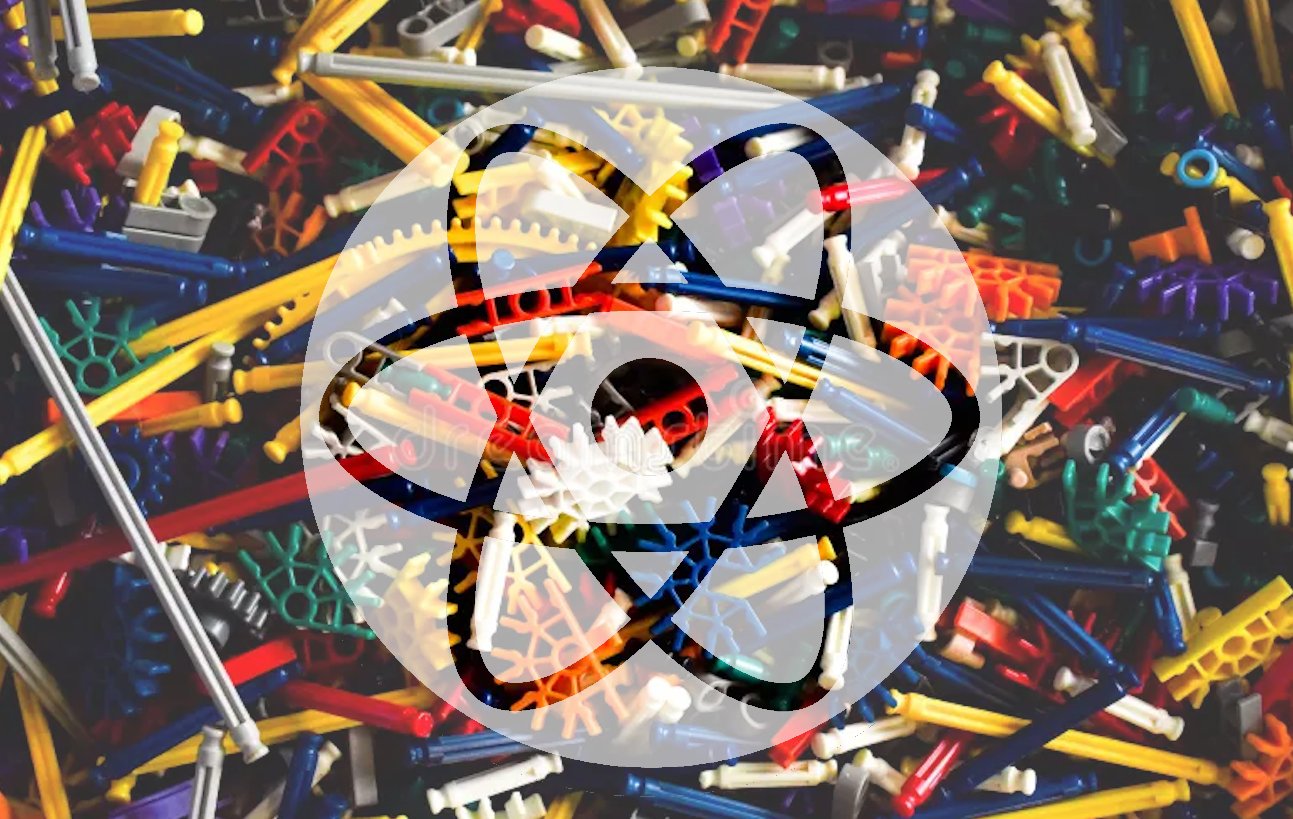
I didn’t fall into React because it was trendy. I gravitated toward it for the same reason I loved building with K’nex growing up: once you understand what each piece does, you can assemble almost anything you imagine.
That sense of structured creativity is what first pulled me into front-end development, and React feels like the natural evolution of that builder mindset.
Building systems, not pages
Before modern frameworks, front-end development was mostly about assembling pages. HTML defined structure, CSS handled presentation, and JavaScript added behavior. It worked, but complexity grew quickly as applications became more interactive.
React reframes the problem. Instead of thinking in pages, you think in systems of components. Each component is a small, focused building block. When combined, they form larger structures that are predictable and reusable.
This mirrors how I approached K’nex. Individual connectors and rods were simple on their own, but understanding how they fit together unlocked bigger ideas. React components behave the same way.
Declarative thinking changes how you build
React’s declarative model shifts your focus from manual DOM manipulation to describing outcomes.
You define what the interface should look like based on state, and React handles the updates. This reduces the mental overhead of tracking individual changes and lets you think in terms of intent rather than mechanics.
That abstraction feels similar to moving from trial-and-error building to intentional design. Once you understand the system, you stop fighting it and start composing with it.
Components as creative units
React encourages modular thinking. Each component has a clear responsibility, which makes large interfaces easier to reason about.
Reusable components are like standardized building pieces. You learn their capabilities, their limits, and how they connect. Over time, you develop intuition for structure and scale.
This is where React becomes less about syntax and more about architecture. Good component design leads to maintainable systems, just like good structural planning leads to stable builds.
Data flow and predictable behavior
React’s unidirectional data flow enforces clarity. State changes drive UI updates in a controlled way, making application behavior easier to understand and debug.
Instead of chasing side effects, you work within a system that prioritizes predictability. That constraint is not limiting. It is freeing, because complexity is organized rather than hidden.
Why this framework fits how I think
React aligns with how I like to build:
- break problems into manageable pieces
- understand the purpose of each piece
- assemble systems deliberately
- refine structure over time
It rewards architectural thinking and encourages experimentation without chaos.
Learning React felt like rediscovering that early builder mindset. Once the fundamentals clicked, the framework stopped feeling like a tool and started feeling like a medium.
Closing thoughts
Frameworks come and go, but the principles that make React appealing are timeless: composability, clarity, and structure.
For me, React is not just a way to build interfaces. It is a system that supports creative construction. The same curiosity that once drove me to experiment with K’nex now drives how I design front-end systems.
Understand the pieces, and the possibilities expand.